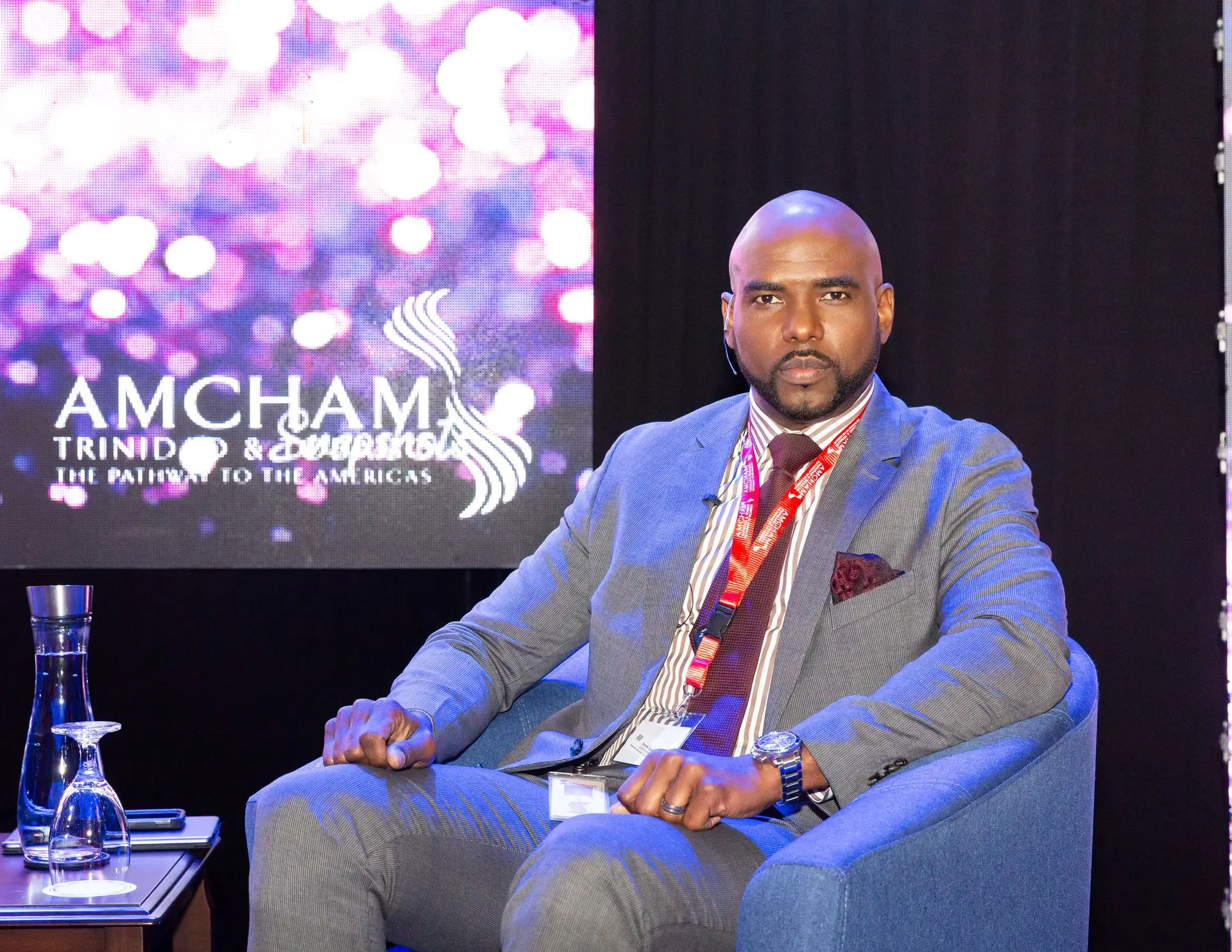
Financial Empowerment in Times of Change Building Resilience and Bridging Realities By Jarod Perryman
LINKAGE Q1 (2026) - REVITALISATION & TRANSFORMATIONFinancial empowerment has become less of a luxury and more of a necessity. For individuals in Trinidad and Tobago, the stakes are particularly high. As a small, energy-dependent economy navigating both domestic constraints and global volatility, the need for disciplined financial management and wealth-building strategies has never been greater. A Changing Economic LandscapeTrinidad and Tobago’s economy stands at a pivotal crossroads. Historically driven by oil and gas the country now faces declining energy production and the urgent need for diversification. Recent estimates suggest GDP growth remains modest, hovering around 0.7–1.0%, while unemployment has inched upward to approximately 4–5%. Inflation, though relatively low overall, continues to exert pressure where it matters most, food and everyday essentials.Behind these numbers are real people making real adjustments. Consider Michael, a mid-level employee in the energy sector. For years, his income felt secure. Bonuses were predictable and financial planning could wait. However, as projects slowed down and restructuring began, his ‘overtime’ disappeared. Suddenly, everyday expenses required tighter control. What once felt stable became uncertain. Then there is Anika, a young professional in Port of Spain. Recognising earlier that one income stream was not enough, she began selling baked goods online. What started as a side hustle evolved into a steady second income. More importantly, it shifted her mindset from dependence to empowerment. These stories are increasingly common, and they highlight a deeper truth: financial empowerment begins when individuals take ownership of their financial future.Financial empowerment is not simply about earning more income. It is about gaining control overspending, saving, investing and long-term planning. At its core, it rests on three pillars, effective money management, strategic wealth creation and adaptability to change.Managing Finances and Building WealthThe foundation of empowerment begins with disciplined financial management.Intentional budgeting: A structured budget ensures income is allocated with purpose. Many households are now revisiting their spending habits, identifying ‘silent leaks’ such as subscriptions and non-essential expenses.Emergency preparedness: Financial advisors recommend maintaining 3–6 months of expenses in liquid savings. In practice, this has become a critical lifeline for individuals facing reduced income or job transitions.Debt discipline: Debt should be a tool, not a burden.While managing money is essential, building wealth is transformative. Individuals are increasingly turning to mutual funds, equities and government securities. There is also growing interest in international investments, enabled by digital platforms. However, that divergence is somewhat impacted by the country’s foreign exchange constraints. Property ownership remains a cornerstone of wealth creation, particularly where rental income can supplement earnings. Furthermore, given the country’s push toward diversification, individuals should consider developing additional income streams. From small businesses to digital services, the ability to generate multiple sources of income is a key hedge against economic volatility. Across Trinidad and Tobago, there has been a visible rise in micro-entrepreneurs, individuals monetising skills in catering, tutoring, graphic design and e-commerce. Many began out of necessity but have evolved into sustainable ventures.Adapting to a Shifting RealityAdaptability is now a financial skill. Walking the path of continuous learning is no longer a ‘nice’ to have, but a ‘need’ to have. Professionals are investing in digital and technical skills to remain competitive. Global income opportunities through avenues of remote work and freelancing are enabling individuals to earn beyond the local economy. As Trinidad and Tobago slowly transitions away from energy dependence, individuals must align themselves with emerging sectors.Ultimately, what separates those who struggle from those who thrive is often mindset. Financial empowerment is not just about numbers, it is about behaviour, discipline and vision. Michael’s story could have ended in financial distress. Instead, it became a turning point, prompting him to budget, invest and plan. Anika’s side business may have started small, but it represents a larger shift toward independence and resilience. The Way ForwardFinancial empowerment in times of change requires more than awareness, it requires action. It demands discipline, diversification and adaptability. For many, the shift has already begun. From passive earning to active financial management. The future may be uncertain, but those who take control of their finances today will be best positioned to navigate and thrive in the changes ahead.
ABOUT THE AUTHOR Jarod Perryman is the Managing Director at ScotiaLife Trinidad and Tobago Ltd.

 While managing money is essential, building wealth is transformative. Individuals are increasingly turning to mutual funds, equities and government securities. There is also growing interest in international investments, enabled by digital platforms. However, that divergence is somewhat impacted by the country’s foreign exchange constraints.