Skip to Content


 CEO's PERSPECTIVE 

Anand Ragbir
Executive Director | Proman Trinidad
LINKAGE Q3 (2025) - ENGAGE. EXECUTE. EVOLVE.
Stepping Up to the Crease: 
A leadership mindset grounded in discipline, trust, and people​
 
 First Innings: Stepping Up to the Crease
Cricket teaches you early that not every ball is there to be played. Some you defend. Some you leave. And some you wait for.
I learnt that lesson as a young cricketer at Hillview College in Tunapuna. On those fields, discipline, patience, and judgement became instinct rather than instruction. At the crease, you quickly learnt that while timing mattered, restraint mattered just as much. Knowing when not to act was often the difference between staying at the crease or walking back to the pavilion.
It is a mindset I still carry today, into boardrooms, negotiations, and even at home navigating family life.
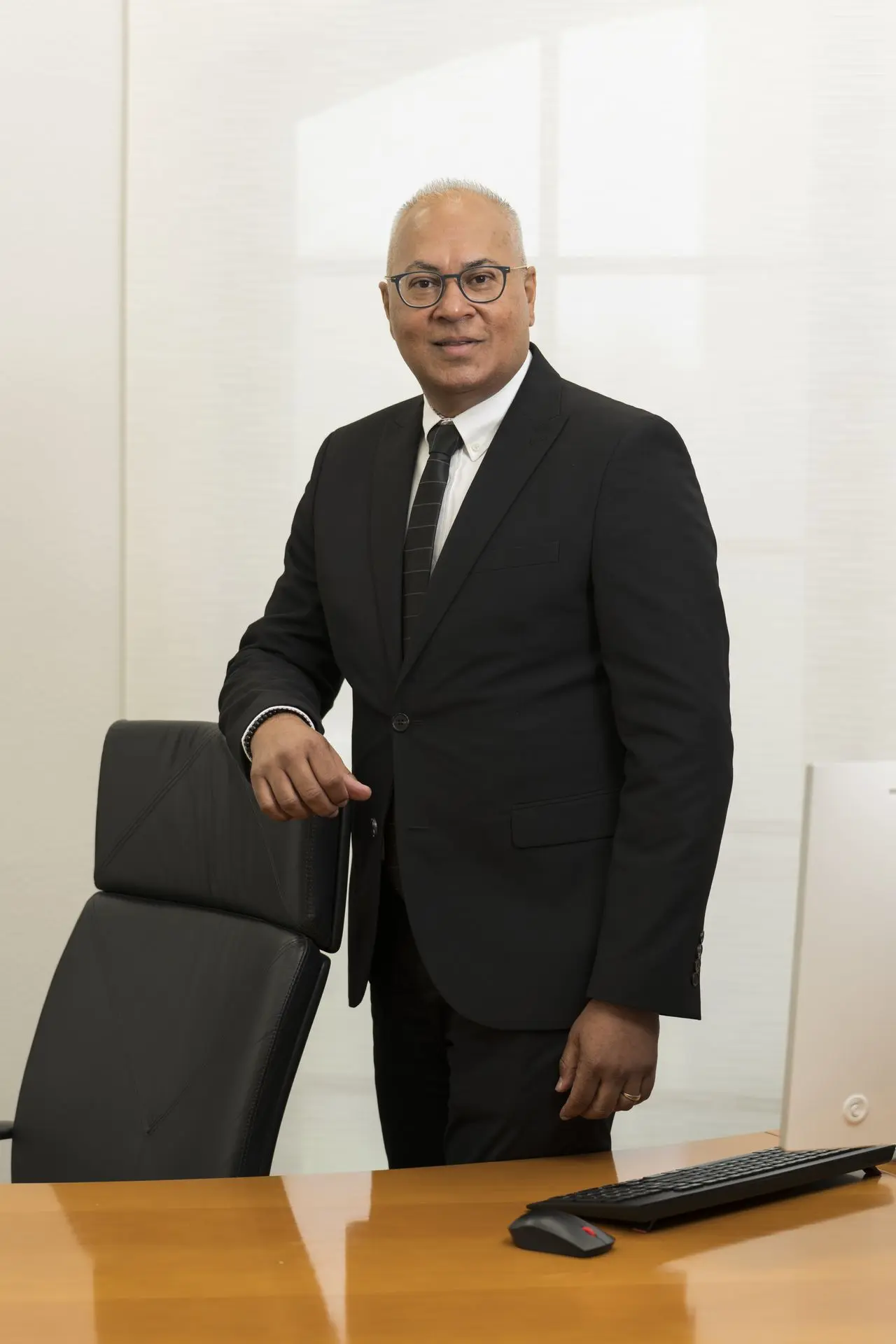
As Executive Director of Proman Trinidad, I operate in a sector where conditions can change quickly. The energy industry is no longer defined by predictable, long‑term cycles, but by geopolitical pressures, evolving energy demands, and tighter supply dynamics. As a result, the sector is faster‑paced and more volatile than at any point in recent memory.
In moments like this, the instinct is often to react, to chase every ball.
Instead, over time, I have learnt to pause, to read the conditions, and to respond deliberately. My approach to leadership, like batting, begins with stepping up to the crease and understanding what is required in that moment. It is about taking-in the field, the conditions, and the context, anticipating what may come, drawing on experience, trusting your judgement and your team, and executing with clarity and purpose when it matters most.


Second Innings: Reading the Field
That perspective did not come overnight. The way I lead today is the sum of many experiences. Some of them, at the time, felt unplanned or even disconnected, but together they shaped me into what cricket would describe somewhat as an all‑rounder.
My professional journey began in auditing at Deloitte. I was drawn early to accounting and comfortable with numbers and structure. Although I never practised as an accountant, the discipline it instilled— including the rigour, attention to detail, and respect for governance— became a cornerstone of how I approach both work and life.
From there, I moved into the commercial side of the energy sector on a journey that took me through PCS Nitrogen; bp, where I spent a decade; the National Gas Company of Trinidad and Tobago, where I served as Chief Financial Officer; and Atlantic LNG, where I was Vice President Commercial and Finance, before eventually joining Proman.
Looking back, that journey reflects exactly what my mother taught me growing up.  
My father passed away when I was thirteen years old. My mother then raised four children on her own and placed strong emphasis on education, discipline and trust. She believed education went beyond formal schooling. She was clear that some of the most important lessons in life are learnt in the field through trying, failing, observing others, and paying attention. Those lessons could never be fully taught in a classroom.
Over time, my career allowed me to learn in exactly that way. Working across the upstream, midstream and downstream segments of the energy sector gave me a different vantage point and a deeper understanding of how the entire energy value chain works.
There are not many people in this industry who have worked across the full value chain in such significant roles. That exposure helped me see how everything connects, where pressure builds, where it eases, and how decisions in one part of the system inevitably affect the rest.
Trinidad and Tobago’s energy sector is not a collection of isolated operations. It is a deeply interconnected ecosystem. When one part of the value chain is under strain, everyone feels the impact. That is why collaboration matters, and why trust becomes essential when navigating competing interests across the field.
This perspective is especially important as gas constraints continue to test the system. While the challenges are real, there is room for cautious optimism, supported by a clearer line of sight on gas availability. In the meantime, the focus must be on managing in the interim, keeping people employed and plants operating across both upstream and downstream, so that when conditions improve, the country is ready to benefit.
Third Innings: Where Leadership Is Formed

At Proman, this way of thinking carries real responsibility.
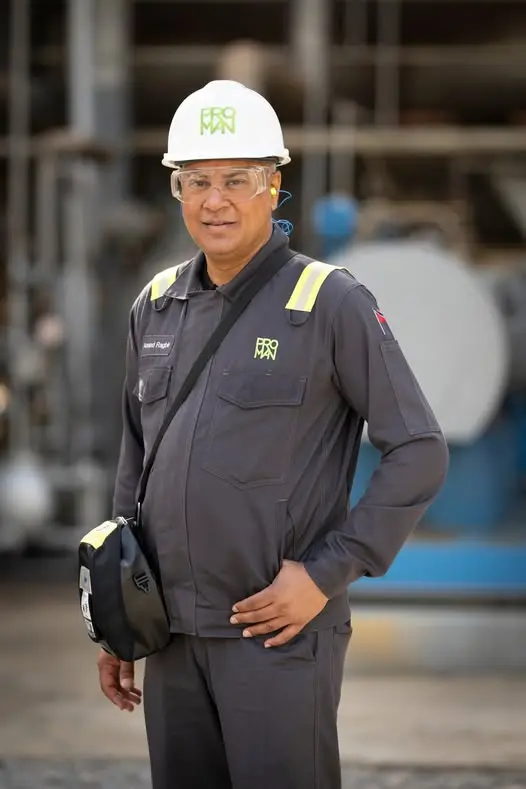
As the largest downstream investor and largest tenant at the Point Lisas Industrial Estate, Proman’s footprint in Trinidad and Tobago is significant. Our operations span 14 petrochemical plants, supported by more than US$5.1 billion in capital investment, with an estimated contribution of US$12.6 billion to the national economy over the past decade. More than 1,200 people form part of that workforce, 99 per cent of them local, with thousands more supporting operations through our local energy service companies.
Our presence also extends beyond downstream operations. Through Proman Energy, the Group has expanded upstream, strengthening our role across the value chain and reinforcing our responsibility within the broader energy system.
There is also a sustained commitment to community investment. Through our CSR initiatives, we have invested more than US$10 million in the past decade in programmes focused on education, youth development, and social support. Since its establishment in 2022, the Proman Foundation has reached over 12,000 beneficiaries across more than 70 communities.
For me, these figures are not abstract. With that scale comes responsibility to the business, to our people, and to the country. Leadership at this level requires an understanding of the role you play within the wider system and the consequences of the decisions you make. It recognises that you can’t do it alone and success comes through collaborating internally and externally, with government, and industry partners.
That sense of responsibility began long before my professional career.
I attended the Tacarigua Presbyterian Primary School before moving on to Hillview College. Raised in a single‑parent household as the eldest of four siblings, I stepped early into a leadership role at home. It meant discipline, sacrifice, and learning to do without while ensuring my younger siblings understood what was expected of them.
That role extended beyond my immediate family. As both the eldest child and the eldest grandchild on either side, I became the one others turned to. I have always been the first to know— good, bad or indifferent.
Much of how I approach leadership today comes from my mother. She was caring and nurturing, but clear when it mattered. That balance shaped my sense of discipline and accountability, and my belief that leadership, at its core, is about people.
Fourth Innings: The Captain at the Crease
That foundation carries directly into how I lead today.
I am a husband and a father of two, and I bring the same sense of responsibility and care into my family life as I do into my professional role. Over time, I have learned that leadership goes beyond systems, strategies, and controls. It is not about being liked or avoiding difficult decisions. It is about being present, accountable, and steady when scrutiny comes. 
There is a quotation from Shakespeare that has stayed with me: 
“Love me or hate me, both are in my favour. For if you love me, I will always be in your heart. If you hate me, I will always be in your mind.”
I do not interpret this as defiance, but as acceptance. Leadership is also about understanding that decisions will be felt, questioned, and sometimes challenged. What matters is clarity of purpose, and responsibility to the people you serve. 
I want people to know that they matter, that they have a role to play, and that they understand how their work contributes to the whole. Leadership, for me, is about energy and ownership. It is about creating environments where people feel trusted to bring their ideas forward, where their spirit is ignited, and where they take pride in the solutions they help create.
That requires transparency and trust. When people feel valued, they are more willing to contribute, particularly in a sector facing sustained pressure. Sustaining a business is not only about assets and operations. At its heart, it is about people.
There is a consistency in how I lead, whether at home or at Proman. I do not try to control every moment. I try to understand it. I read the field, position the team, and stay steady when conditions shift.
In many ways, it is the mindset of a Test player in what often feels like a T20 world.
Leadership is not about responding to every ball. It is about staying at the crease, reading the game as it unfolds, and seeing the innings through, together with your team.