LINKAGE Q1 (2026) - REVITALISATION & TRANSFORMATIONEconomies and industries must continuously evolve; without transformation, stagnation sets in—and in many cases, decline becomes inevitable. For Trinidad and Tobago, the urgency to diversify and strengthen foreign exchange inflows has never been greater.One of the country’s most powerful yet underleveraged assets is not just a single festival, but an entire event-driven economy. At its peak sits Trinidad and Tobago Carnival, contributing nearly TT$1 billion annually, or roughly 4% to 6% of GDP. But Carnival should be understood not as the product itself, but rather as the proof of concept.The real opportunity lies in scaling what Carnival represents.Exporting the Industry, Not Just the ExperienceWhat Trinidad and Tobago has developed is not just events but event expertise.The production ecosystem behind Trinidad and Tobago Carnival has created professionals skilled in project management, lighting architecture, large-scale logistics, creative direction, live experience design: globally relevant, high-value services. With structure and certification, this talent pool could be exported, supporting events worldwide. Trinidad and Tobago could position itself not just as a destination, but as a supplier of world-class event production services.Carnival exists in a compressed timeframe, but its economic potential does not have to. Millions are spent annually producing breathtaking King and Queen costumes for Dimanche Gras—intricate works of art that, in most cases, are abandoned shortly after Carnival Tuesday. These creations represent not just cultural expression, but economic opportunity lost. A structured initiative to preserve and monetise these assets could transform this reality. Imagine a permanent or rotating exhibition of top costumes available year-round for visitors. These could be housed in a dedicated cultural centre with historical artefacts, wax sculptures honouring local icons serving as both a tourist attraction and a preservation mechanism for our artistic heritage.
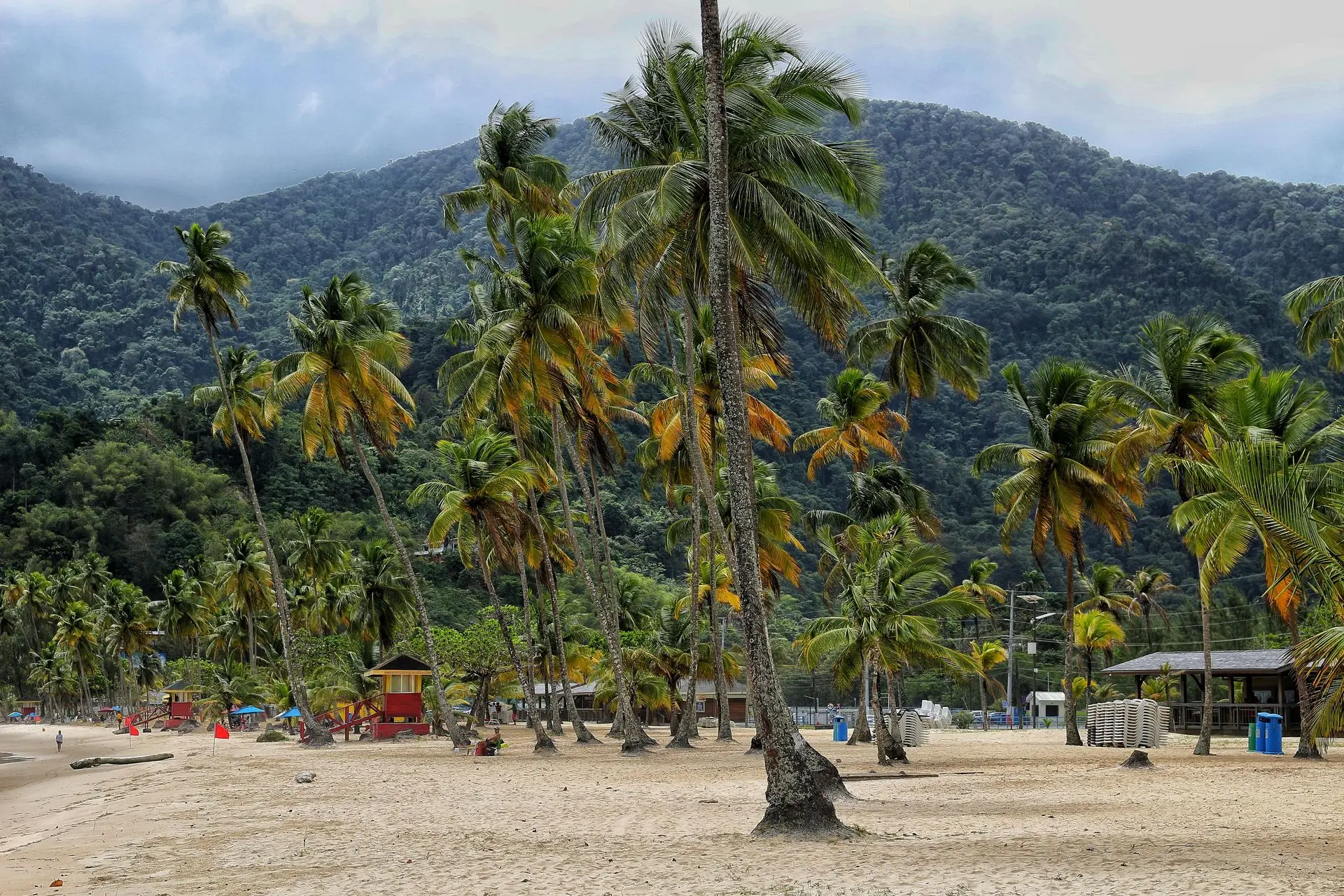
Beyond local display, there is untapped export potential. Strategic partnerships could facilitate the sale or leasing of these costumes to international festivals, exhibitions and event producers, generating foreign exchange while promoting the Trinidad and Tobago brand globally.Exporting Expertise: The Event Industry AdvantageBut beyond exporting talent, there is a parallel opportunity to deepen and diversify the local events calendar itself. Our proven ability to produce unforgettable experiences could be leveraged to create a more consistent inflow of visitors and foreign exchange.Historically, events like Great Race in the 1980s and 1990s demonstrated the drawing power of well-executed, high-energy experiences. More recently, Island Crashers has emerged as a modern example, effectively functioning as a Caribbean version of spring break. Yet its reach remains limited by insufficient regional and international marketing.This is where strategic coordination becomes critical. Airlines, tourism authorities, and private promoters must collaborate to create travel packages, incentives, and targeted campaigns that position these events as must-attend experiences across the Caribbean and diaspora markets. Without this alignment, strong products will continue to underperform on the global stage.There is a clear precedent for success. Miami transformed itself into a global nightlife capital, much like Ibiza, by anchoring its brand around Ultra Music Festival, now one of the premier electronic dance music events in the world, generating around US$200 million in economic revenue for Miami. That transformation was the result of deliberate branding, consistent investment and ecosystem development.Trinidad and Tobago already possesses a key competitive advantage that cannot be easily replicated: its people. Our “vibes” that define our events are organic and culturally embedded. Unlike infrastructure or marketing budgets, this core asset comes at no cost yet delivers immense value.The challenge, then, is not creation but coordination—aligning stakeholders, investing strategically, and treating the event sector not as entertainment, but as a serious economic pillar capable of driving sustained growth and foreign exchange earnings.Protecting and Expanding Foreign Exchange InflowsThe inflows generated by Carnival are not guaranteed. Increasing airfare, limited accommodation and rising event costs are forcing repeat visitors to reconsider their options. Competing festivals worldwide are becoming more accessible and better marketed.To remain competitive, both government and private sector must collaborate to protect and expand this revenue stream. This requires not only cost management strategies but also product diversification—giving visitors more reasons to choose Trinidad and Tobago beyond Carnival week. Events should not stand alone; they should anchor broader visitor experiences.Tourism offerings can be expanded beyond traditional beach visits such as Maracas Beach to include curated cultural and environmental experiences. Monthly panyard, tassa, rhythm sessions, immersive workshops in costume-making and cooking, and interactive showcases of steelpan and extempo can extend the life of the event product.
Other Caribbean nations have successfully developed boutique, experience-driven eco-tourism offerings. Trinidad and Tobago can do the same without requiring massive capital investment. Small-scale eco-experiences—river activities, rainforest trails, culinary stops—can be integrated into event itineraries, creating multi-day, high-value visitor journeys.These experiences do not need to be extravagant; they need to be authentic, safe, and well-packaged.Trinidad and Tobago stands at a pivotal moment. The country already possesses the raw materials for economic transformation: a globally recognised festival, a deeply rooted culture of celebration, highly skilled creatives, and a natural flair for producing unforgettable experiences. What is required now is a shift in mindset. The event sector must be treated not as entertainment, but as industry. The “vibes” that define Trinidad and Tobago are more than a cultural trait—they are a competitive advantage. They are authentic, exportable, and impossible to replicate.The task ahead is clear: organise, invest, and scale. Transformation is not optional. It is the pathway to sustained economic momentum.
ABOUT THE AUTHOR Amanda Jardine is the Event Coordinator at Image Matters -
a globally recognized company specializing in Customer Service, Etiquette Training and Event Management.