RESILIENCE IS A TEAM SPORT: ESG is a Tool to Share Ideas, Build Partnerships, and Develop Practical Solutions
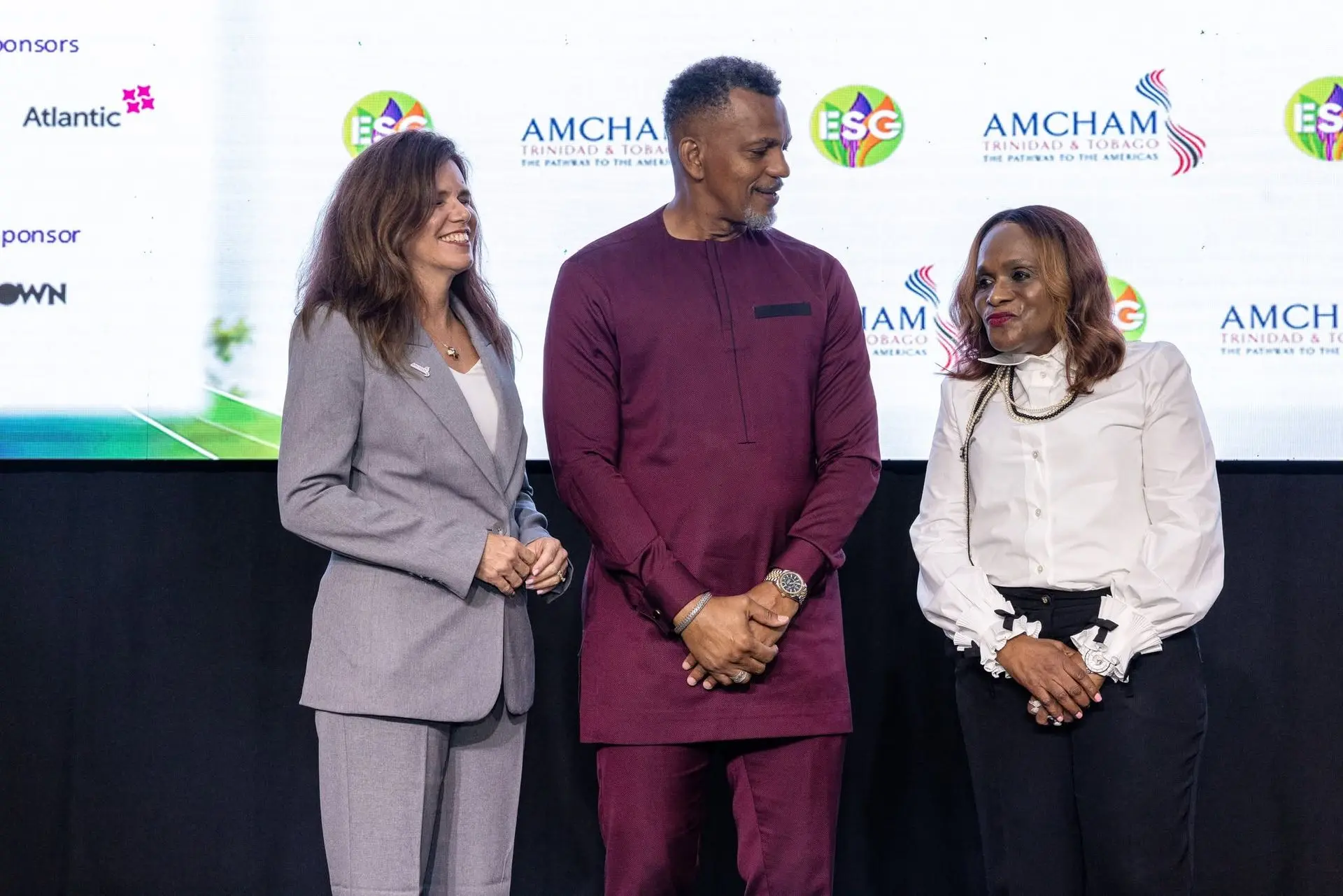
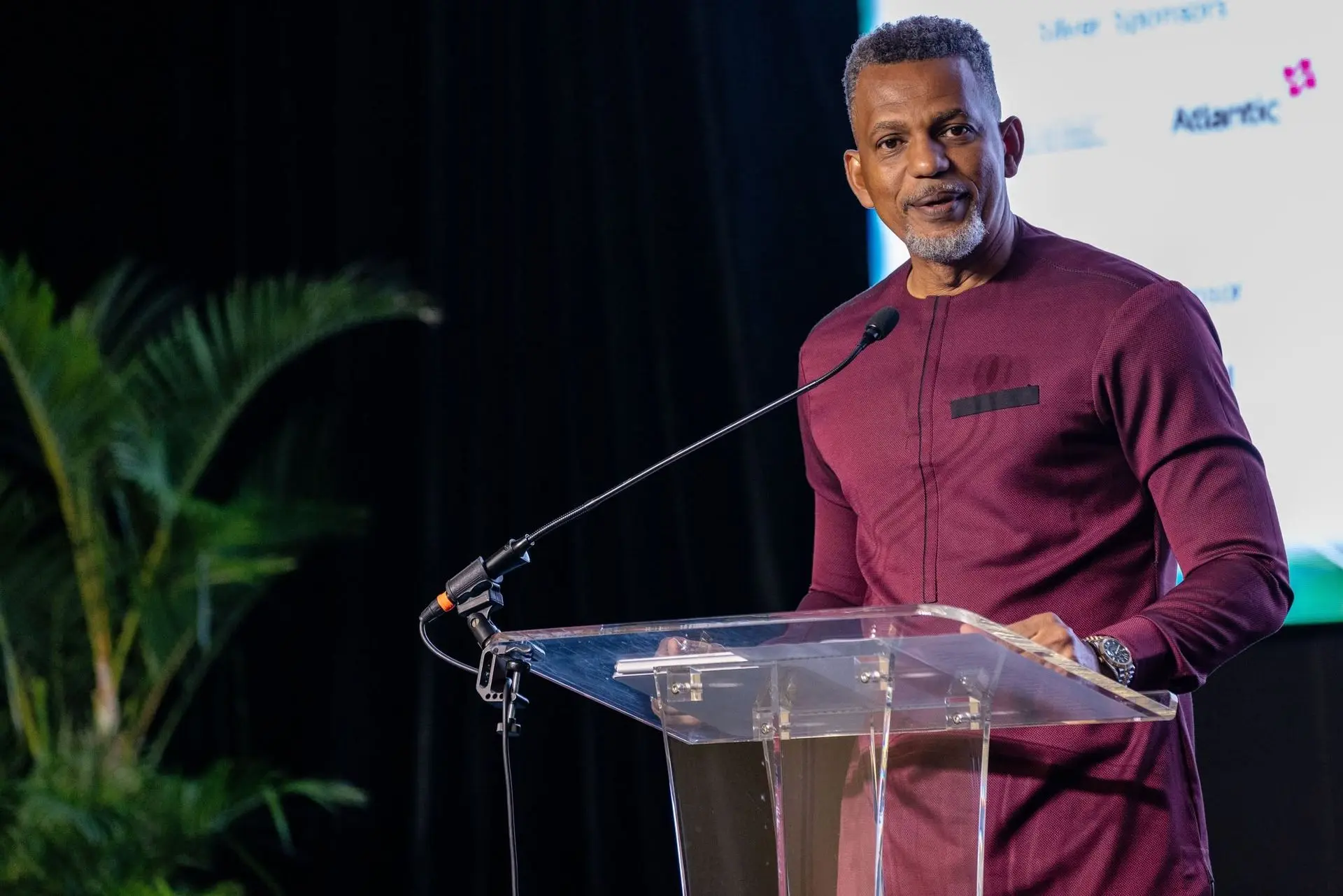
LINKAGE Q3 (2026) - NAVIGATING UNCERTAINTY: SUSTAINABILITY, RESILIENCE AND THE FUTURE OF BUSINESS Daniel Best, President of the Caribbean Development Bank (CDB), delivered the Keynote Address at AMCHAM T&T’s 4th Annual ESG Conference.“ESG has shifted from the margins of corporate strategy to its core, driven in large part by a climate vulnerability our economies can no longer treat as abstract,” he said. He also cautioned that greater attention to ESG does not necessarily mean greater understanding or implementation. Referring to regional research, he noted that while two-thirds of directors surveyed said ESG was embedded in their strategies, only 44% reported on ESG measures. Reporting is important, but it is not the end goal. “There’s no doubt that reporting matters, but the real value lies in how these considerations shape decisions about risk, investment, and the kind of business you want to build.”Uncertainty as the new operating environmentBest argued that the Caribbean must rethink how it approaches uncertainty. “Uncertainty is no longer an occasional disruption. It is the operating environment within which Caribbean societies must now plan and prosper.”Economic volatility, geopolitical tensions, changing trade and tariff policies, accelerating climate change and the rapid development of artificial intelligence have direct economic consequences. Best pointed to slowing growth across CDB’s borrowing member countries, excluding Guyana, and continued fiscal pressures in highly indebted economies with limited financial buffers. But he also identified reasons for optimism, including stronger-than-expected tourism performance and progress in renewable energy.For Trinidad and Tobago, he noted that managing a mature energy sector while pursuing diversification represents a version of the same challenge facing countries throughout the region. “Nothing will eliminate uncertainty, whether a given policy or investment. But building resilience allows us to thrive despite uncertainty being present, and that cannot rest with government alone.”Best called for stronger governmental implementation capacity so that committed financing translates into completed projects, an enabling environment where innovation can flourish, and faster digital adoption across Caribbean governments. At the same time, he highlighted the critical role of the private sector in national development. “Building resilient economies requires a private sector that is innovative, competitive, and actively engaged in national development.”He argued that private sector organisations must do more than advocate for business interests. They must work collaboratively with governments to identify constraints, shape policy, support implementation, invest in skills and innovation, and promote good governance.ESG in actionBest also outlined how the CDB is integrating ESG principles into its own operations.Following a comprehensive ESG and sustainability materiality assessment in 2024, the CDB incorporated sustainability considerations into its decision-making and developed a 10-year strategic plan. The Bank has established financing targets for climate adaptation and mitigation, while integrating environmental and social reviews into its lending operations. These measures are designed not only to safeguard against harm, but also to strengthen clients’ capacity to manage risk and build resilience.Best noted that ESG was increasingly relevant to how development institutions are assessed by investors and creditors, pointing to CDB’s first sustainability bond, which raised 100 million Swiss francs in 2025 to finance areas including climate resilience, renewable energy, water management, education, food security and MSME development.The message was clear: ESG can influence access to capital, investor confidence and the ability of institutions to deliver long-term development impact.Collaboration as a competitive advantageAmong the strongest themes of Best’s address was the importance of collaboration. The challenges facing Caribbean countries do not stop at national borders, and neither should the solutions. “No Caribbean country can build resilience alone, but together, we can achieve a scale and impact that none of us can achieve individually,” he said.Best offered a series of possibilities for what greater regional cooperation could achieve, including digital systems that allow businesses to scale across borders, stronger regional food security and a more integrated energy mix that could reduce exposure to volatility.In this context, he pointed to the role organisations such as AMCHAM T&T can play in bringing business leaders, policymakers and development partners together.“Share ideas, build partnerships, and develop practical solutions to share challenges. Ultimately, resilience is a team sport, and ESG is one of the most powerful tools we have to build that resilience,” he said. Daniel Best with Anna Henderson (l) President | AMCHAM T&T & Minister Jearlean John (r) - Minister of Works and Infrastructure at AMCHAM T&T's 4th Annual ESG Conference.
 Uncertainty as the new operating environment