From Drains to Data Centres: Minister John Challenges Business to Make Sustainability Real
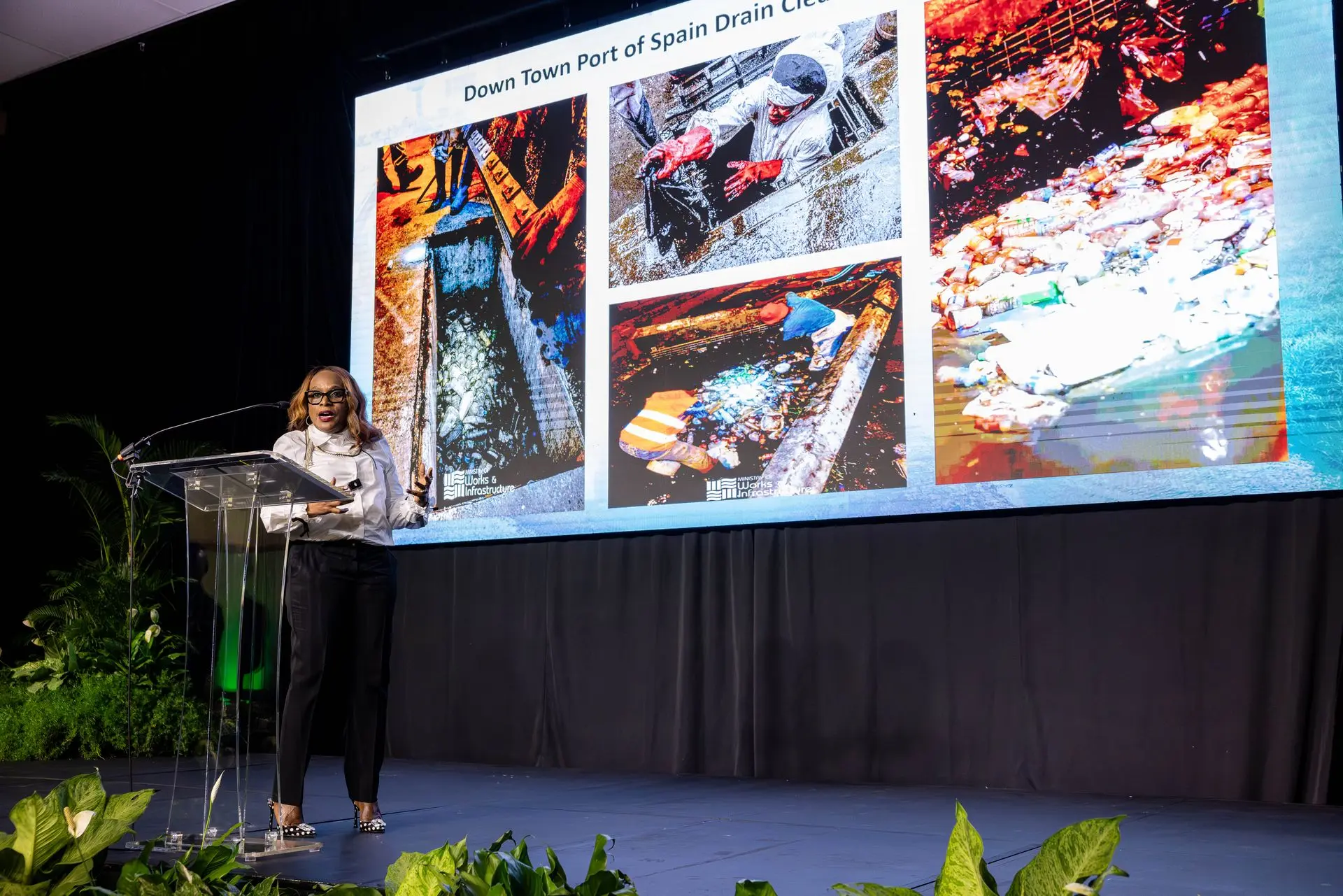
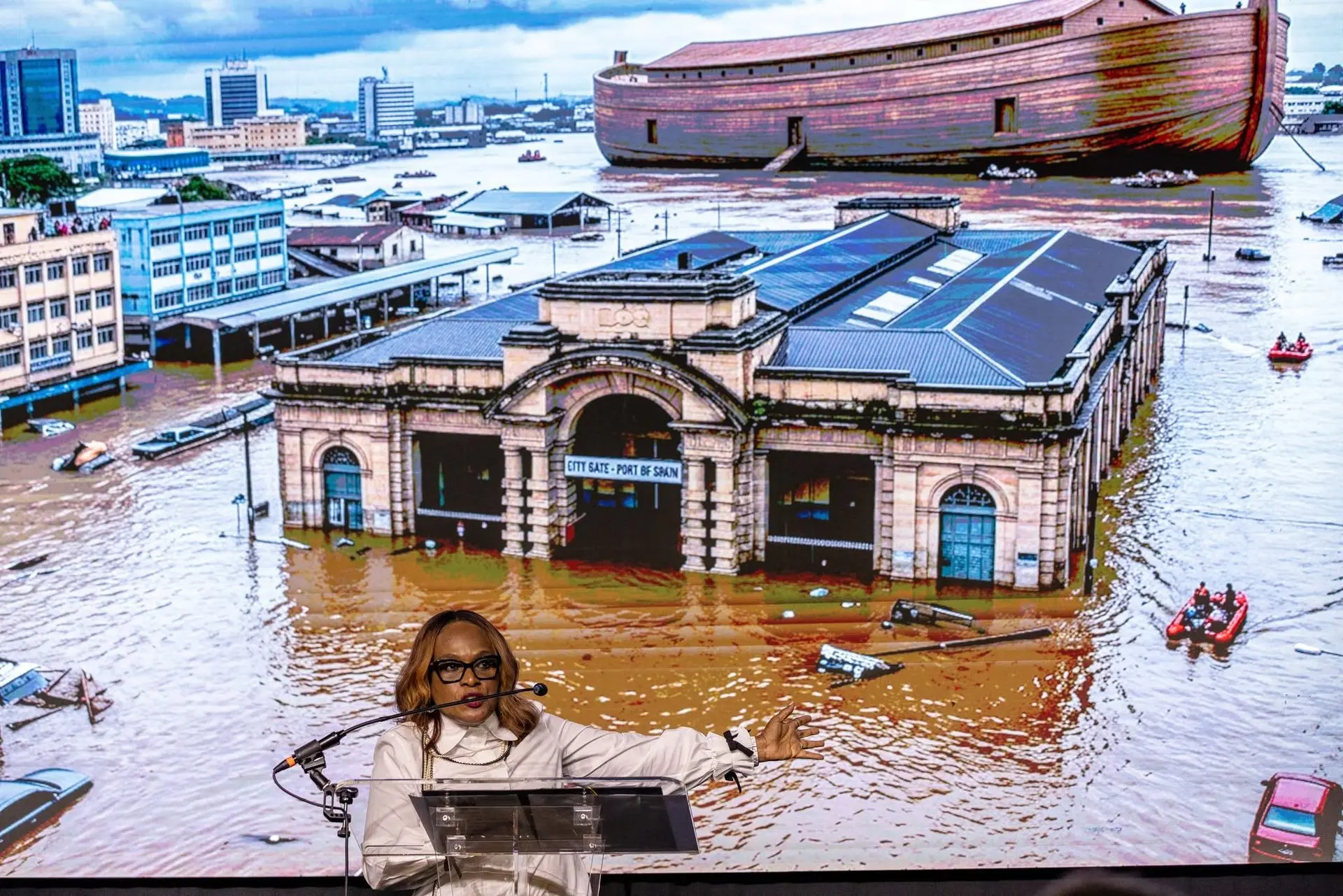
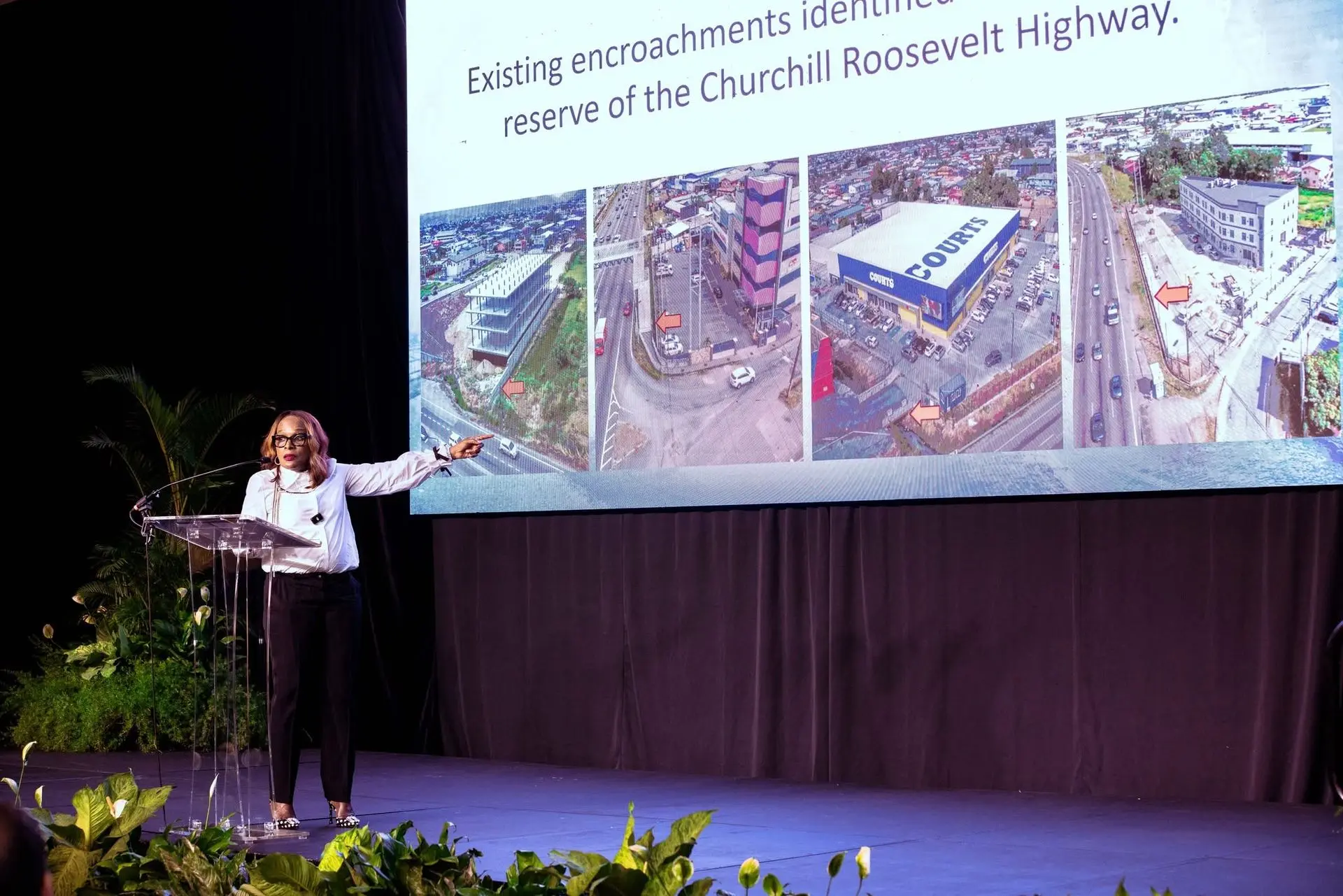
LINKAGE Q3 (2026) - NAVIGATING UNCERTAINTY: SUSTAINABILITY, RESILIENCE AND THE FUTURE OF BUSINESS Sometimes, the most important sustainability conversations begin with a drain.That was one of the striking messages from the Honourable Jearlean John, Minister of Works and Infrastructure, at AMCHAM T&T’s ESG Conference.Minister John took the conversation beyond ESG terminology and corporate theory, grounding it instead in the everyday choices, systems and behaviours that shape the resilience of businesses — and the country.“At the heart of this theme is a very practical question or response for us as a people in Trinidad and Tobago: how do we prepare ourselves, our businesses and our country to keep moving when circumstances change?” she asked.Her answer was built around three ideas: focus on what we can control; reframe the unknown; and build sustainable resilience.Sometimes, resilience starts with a drainMinister John began with an image that might have seemed unusual for an ESG conference: a blocked drain on South Quay, Port of Spain.During drain-cleaning works in August, the Ministry found plastic bottles, garbage and waste filling the drain, while the silt trap was “completely sealed” with grease. The Minister said the grease had come from businesses disposing of cooking oil and kitchen waste directly into the municipal drainage system.The example was deliberately simple — and deliberately uncomfortable.When flooding occurs, she noted, the instinct can be to blame the weather, the Ministry of Works and Infrastructure or climate change. But in this case, the problem was also rooted in human behaviour.“But that drain was not sealed by climate change,” Minister John said. “In fact, that drain was sealed by human habits… human beings making the conscious decision to throw garbage and oil into the drainage system.”For her, this illustrated a fundamental point about resilience: we cannot build it while ignoring the things within our control.“We cannot build resilience on indifference,” she told the audience. “We cannot have a serious conversation about sustainability and the future of business while treating the environment immediately outside our own door as somebody else’s responsibility.”That responsibility, she argued, extends to businesses and individuals alike.From deliberately building over drains and encroaching on highway reserves to ignoring required setbacks and constructing commercial infrastructure before seeking approval, Minister John challenged the audience to consider whether sustainability can really exist without accountability.“Sustainability cannot mean following the rules only when they are convenient to you,” she said.ESG has to mean something beyond the boardroomMinister John also turned her attention to corporate social responsibility, drawing on another example close to the conference venue.She described seeing illegal vending and a skip bin overflowing with garbage near the base of the Hilton. For months, she said, the situation remained while different people could have assumed that someone else was responsible for addressing it.“Somebody must have put it there. Somebody must have seen it. Somebody could have removed it. Somebody could have cleaned it. Somebody could have enforced a standard.”The repetition was intentional.“Notice how many times I said SOMEBODY,” she said. “Everybody was watching it, including the Hilton, but Nobody was taking responsibility for it.”Her broader point was that ESG cannot become a collection of impressive words disconnected from action.“We speak a great deal about corporate social responsibility, Environmental, Social and Governance (ESG) and sustainability, but corporate social responsibility should not be performative. It should be a genuine interest and commitment to do better for Trinidad and Tobago.”For Minister John, that commitment also means investing in people.“If we are serious about sustainability, then investing in the future- our human resources from a young age is where you put your money,” she said. “It is part of the work.”A lesson in sustainability from a Tobago yardPerhaps the most personal moment of the address came when Minister John reflected on growing up in Charlotteville.She recalled being sent outside by her grandmother, Ma Maggie, on Saturday mornings with a simple instruction:“Go out there and sweep that yard so I could see my face in it.”It was, on the surface, a lesson about keeping a yard clean. But Minister John explained that the lesson stayed with her because it was really about responsibility, discipline and standards.“She was teaching me that the state of the space you are responsible for is a public statement about who you are, and by extension, who we are as a people.”Then came the connection to ESG.“Cleanliness engenders discipline. Discipline engenders order. It is only out of order that sustainability and resilience can flow, and we can truly be competitive.”The story also became a bridge to one of the Minister’s central arguments about global competitiveness.Trinidad and Tobago, she said, must look beyond itself and understand the markets and economies with which it is competing. She pointed to Dubai, Saudi Arabia, Singapore and Vietnam as examples of places deliberately positioning themselves to attract investment and build competitive economies.“The success of these countries is not based on luck. They are deliberately positioning themselves to welcome capital.”And that positioning, she argued, requires more than ambition.“Resilience does not come just so. Resilience comes from a people willing to accept a vision, and willing to do the work that vision requires.”Because, as she reminded the audience once again: “WORK TAKES WORK.”Reframing uncertainty as opportunityThe second part of Minister John’s address focused on the unknown.Global markets are changing. Geopolitical developments remain uncertain. Energy markets continue to evolve. For Trinidad and Tobago, she argued, the response cannot simply be to wait and see what happens.Instead, the country must look at what it already has — its resources, infrastructure, expertise and assets — and consider what can be unlocked.Minister John pointed to developments in the energy sector, including recent gas and oil agreements, as examples of opportunities that could support Trinidad and Tobago’s future economic positioning.But she was careful to distinguish opportunity from execution.“Reframing an opportunity is only useful if it ends in something built.”She highlighted the recommissioning of the Ibis Steel Company of Trinidad and Tobago as an example. The project involves an initial US$250 million investment, with a further US$750 million planned for expansion and modernisation. The project is expected to create hundreds of jobs during refurbishment and permanent employment once production begins and expands.The potential extends beyond steel, with vanadium and titanium also part of the output.For Minister John, the significance lies in what happens when existing assets are connected to new opportunities.“This Government looked at something we already had: furnaces, berths, rail, power infrastructure, industrial land and, most importantly, people with the knowledge to operate it.”“We have done it, but now we must expand it.”“That is what sustainability looks like when it becomes real. It is not just keeping an asset alive. It is connecting that asset to jobs, foreign exchange, skills, supply chains and a future for communities.”From opportunity to systems that lastMinister John’s third theme brought the discussion back to resilience — but with an important distinction.Resilience is not simply about recovering when something goes wrong. It is about building systems strong enough to withstand uncertainty and create confidence over the long term.“What attracts capital is precisely what makes a country resilient: Order, Predictability, excellence, discipline, cleanliness, and standards that hold when nobody is watching.”She argued that these fundamentals matter to investors because they signal how a country functions — from the cleanliness of its public spaces to the efficiency and predictability of its approvals and systems.Among the developments she highlighted were proposed investments in data centres and artificial intelligence infrastructure, including frameworks with Ernst & Young and Hummingbird AI Holdings. Together, she said, these represent potential investment of more than US$5 billion.She also highlighted the Ministry’s Revitalisation Plan, which identifies 13 development nodes and 129 projects over a ten-year horizon, representing approximately TT$112 billion in investment. The programme is projected to generate up to 72,000 jobs at its peak.The scale of these initiatives, she suggested, reinforces the need for the public and private sectors to see themselves as partners in the country's development.The Government has a role to play in building roads, clearing watercourses, delivering ports and advancing major infrastructure projects. But government action alone cannot create the culture required for long-term competitiveness.“This Government cannot legislate pride. We cannot legislate discipline. We cannot legislate shame. We cannot legislate a burning ambition to be excellent, to be competitive, to just hustle!”Sweep your own yardAs Minister John brought her address to a close, she returned to the story that had framed one of her most memorable points.The yard.The broom.And Ma Maggie.“Perhaps that is what Trinidad and Tobago needs from all of us now.”“To sweep our own yard.“To take responsibility for what is in front of us.“To raise the standard.“To do the work so well that, when we are finished, we can see our own faces in it.”For a conference focused on navigating uncertainty, the message was ultimately less about predicting the future and more about preparing for it.Minister John challenged businesses and citizens alike to take responsibility for what is within their control, to see opportunity differently, and to turn ideas into systems that can last.She closed with a simple formulation of what she believes should be the baseline for building a more sustainable and resilient Trinidad and Tobago:“Because capital goes where it is welcomed.“Opportunity goes where there is order.“Confidence goes where there are standards; and Resilience is built where people take responsibility.”And with that, her challenge to the room was clear:“Let the true work that matters begin.”