The Power of PERSONAL BRANDING:
Perception is Reality
By Nicole Thomas
First, let me define the term ‘brand’. According to Forbes Magazine, your ‘brand’ is what people think of you when they hear your name. It’s everything people think they know about your name, both emotional and factual. Your brand is intangible, existing only in a person’s mind. For the employee, like you and me, it means that we get to control the narrative of the brand we want to portray to the rest of the world.
It’s said that you can tell a lot about someone within the first five seconds of meeting them. Your personal brand matters in business because it’s an opportunity for visibility, which can lead to partnerships, promotions and leadership trust. Adding credibility to your brand can be a positive differentiating factor for you in competitive industries.
Here are the three elements that comprise your personal brand:
· Perception
· Confidence
· Integrity
Perception
 When discussing the first of these three, the old
adage, “perception is reality,” is applicable. Typically, our belief about what
is true is shaped by our beliefs, emotions and senses, all of which make it
quite subjective. Nevertheless, we believe what we perceive. Therefore,
managing how you’re perceived requires you to curate your image so that it adds
credibility to your work.
When discussing the first of these three, the old
adage, “perception is reality,” is applicable. Typically, our belief about what
is true is shaped by our beliefs, emotions and senses, all of which make it
quite subjective. Nevertheless, we believe what we perceive. Therefore,
managing how you’re perceived requires you to curate your image so that it adds
credibility to your work.
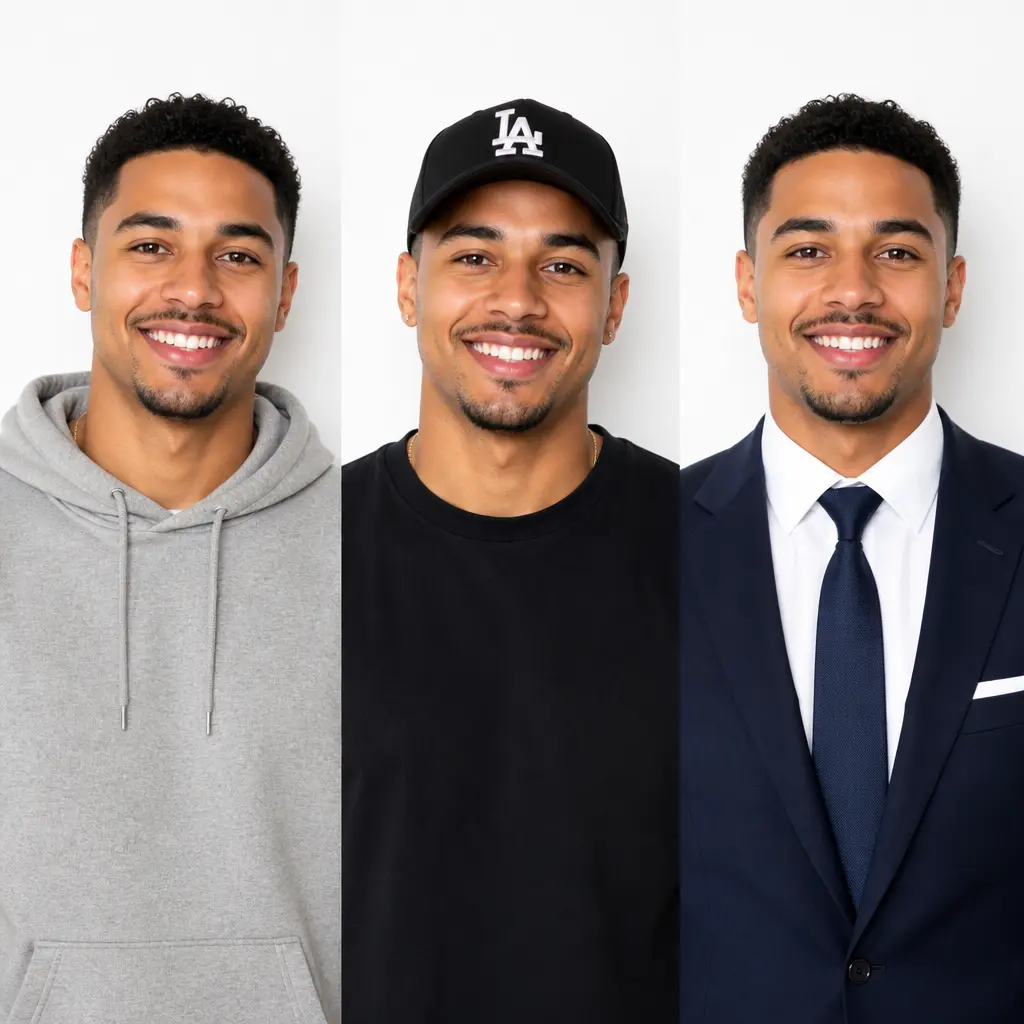
At the recently concluded Women in Leadership Workshop, titled “The Power of Personal Branding – Owning Your Voice, Style & Story”, which was hosted at the IDB Office in collaboration with AMCHAM T&T, I showed the attendees two photos. The first image had three people: one wore a hoodie, the other a ball cap and the last an impeccable business suit. I asked the attendees whom of the three they would trust for financial advice and why. Everyone indicated that the well-dressed person was the best representation of someone who they believed fitted the profile of a financial advisor and someone from whom they could confidently take financial advice.
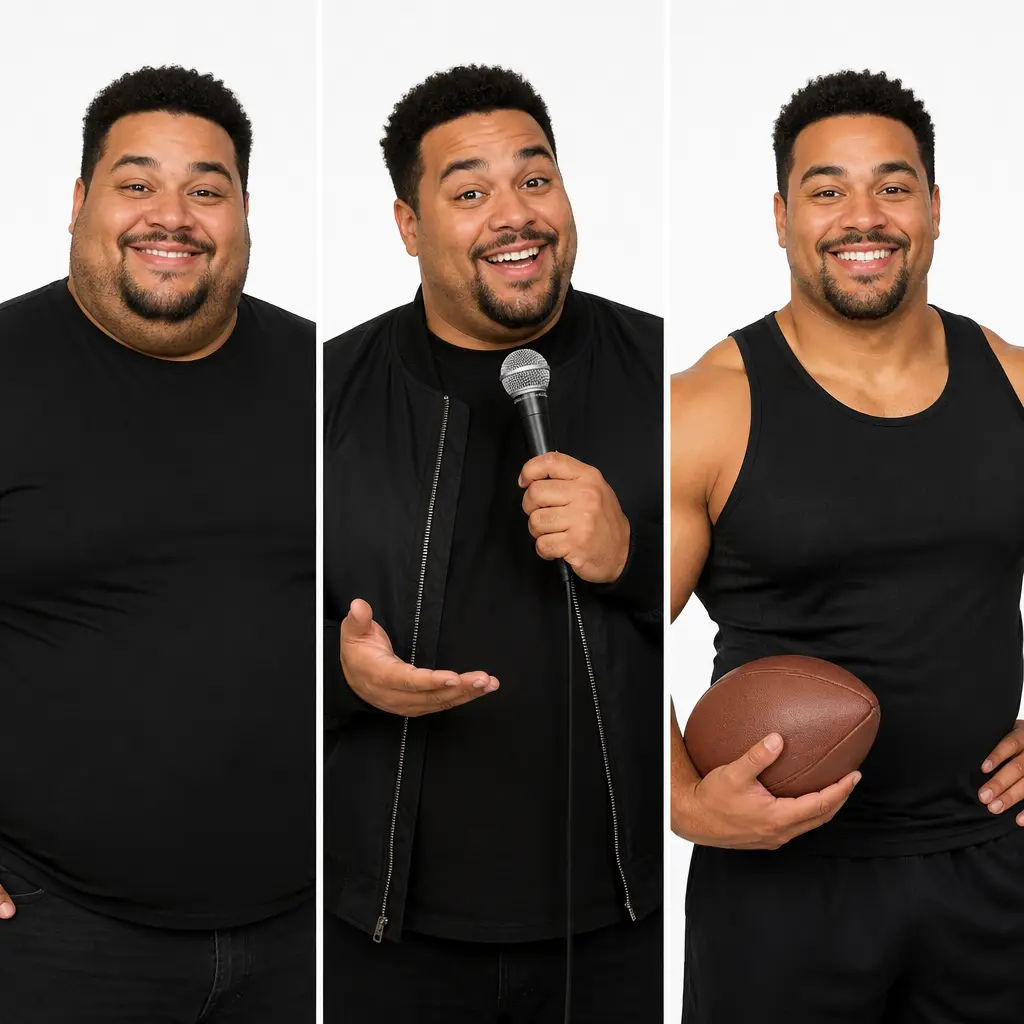 Next, I enquired of the group whom they would trust
as a personal trainer, after showing them an image of three other people. This
time, one was out of shape, the other was a comedian and the third was a
muscular man with a body type that gave credibility to his title. It came as no
surprise that they selected the latter as the one they would trust for fitness
advice. This exercise revealed the importance of perception. The reality is, many
highly skilled and competent professionals are unwittingly misrepresenting
themselves by their attire.
Next, I enquired of the group whom they would trust
as a personal trainer, after showing them an image of three other people. This
time, one was out of shape, the other was a comedian and the third was a
muscular man with a body type that gave credibility to his title. It came as no
surprise that they selected the latter as the one they would trust for fitness
advice. This exercise revealed the importance of perception. The reality is, many
highly skilled and competent professionals are unwittingly misrepresenting
themselves by their attire.
At the workshop, I introduced the Five Levels of Business Attire. When I
enquired of the room (online and in-person) who had heard of it, only a few
had. I explained that it was a framework that showed the different levels of
dress codes in a corporate space and explained how one should dress for their
particular job. I further highlighted that it was only a guide, because a
company’s HR policies and culture take precedence.
Here’s a summary of the Five Levels of Business Attire:
· Level 5 – Baseline Casual - more relaxed, but neat and professional
· Level 4 – Mainstream Casual - a more polished look.
· Level 3 – Executive Casual - professional, without being stuffy.
· Level 2 – Traditional Business Attire - formal but allows for a pop of personality.
· Level 1 – Boardroom Attire - tends to be more tailored, high-end and conservative.
Unsurprisingly, this segment generated much debate among the online and in-person audience. The prevailing thought was that times have changed in the way people dress for work; many credited COVID as the agent of said change. Additionally, with remote work options and Trinidad and Tobago’s seeming transition to a more casual work environment, the relevance of the guide was challenged. Nonetheless, it was a healthy, engaging, and potent discourse. In the end, it was agreed that having such information was an excellent starting point, but room must be left for comfort. Also, the new dynamic, multi-generational workforce must be considered, since it has prompted a shift in work standards, expectations and dress codes.
Of course, the question remains: how can you create a positive and lasting first impression while working in a dynamic environment? The answer is to align your role, ambition and the way you present yourself. In today’s hybrid workspaces, before you enter a room, your reputation has. As such, being well-groomed and impeccably dressed will add to your credibility and create the kind of positive first impression we all want. However, to do so you must be mindful of your audience, life goals and how you want to be perceived, addressed, and remembered. If you consider these things, I doubt you would intentionally go to an interview in a sports cap and sneakers.
Confidence
Confidence is the other component of personal branding that we explored. Confidence is beautiful when it’s balanced. A confident person automatically becomes a leader and carries a light that makes them attractive. Confidence in yourself is key. You must believe in yourself before you get others to believe in you. I once had a boss, Tom Byrne, who would say: ”Always back yourself!”. It’s an undeniable fact that no one wants to follow an insecure person. Confidence is shown in:
· Greeting everyone with a warm smile
· Giving a firm handshake
· Having a polite and steady greeting
· Maintaining an erect posture
· Looking directly at someone while speaking
· Having a well-groomed appearance
· Speaking up and clearly
Integrity
The final element of personal branding is integrity. A common mistake some professionals make is thinking integrity means showing up consistently on social media. While that practice can certainly help expand your social circle, we must look deeper at the tenets of integrity.
Your brand integrity is impacted by your honesty, punctuality, work ethic, time management and adherence to deadlines. Character traits that can negatively impact your personal brand are gossiping, being negative or overly critical, taking shortcuts, talking down to people, boasting, particularly about your earnings, and inappropriate conduct on social media.
Ultimately, you are in control of your personal brand, and you can wield that power, owning your voice, style, and story. Fortunately, doing so isn't complicated. All that’s required is adeptly managing your image, confidence, integrity, along with your soft skills and hard skills.

Nicole Thomas is the Digital Business Manager at Unicomer