Cyber Resilience:
The Future of Security Is CONTINUITY
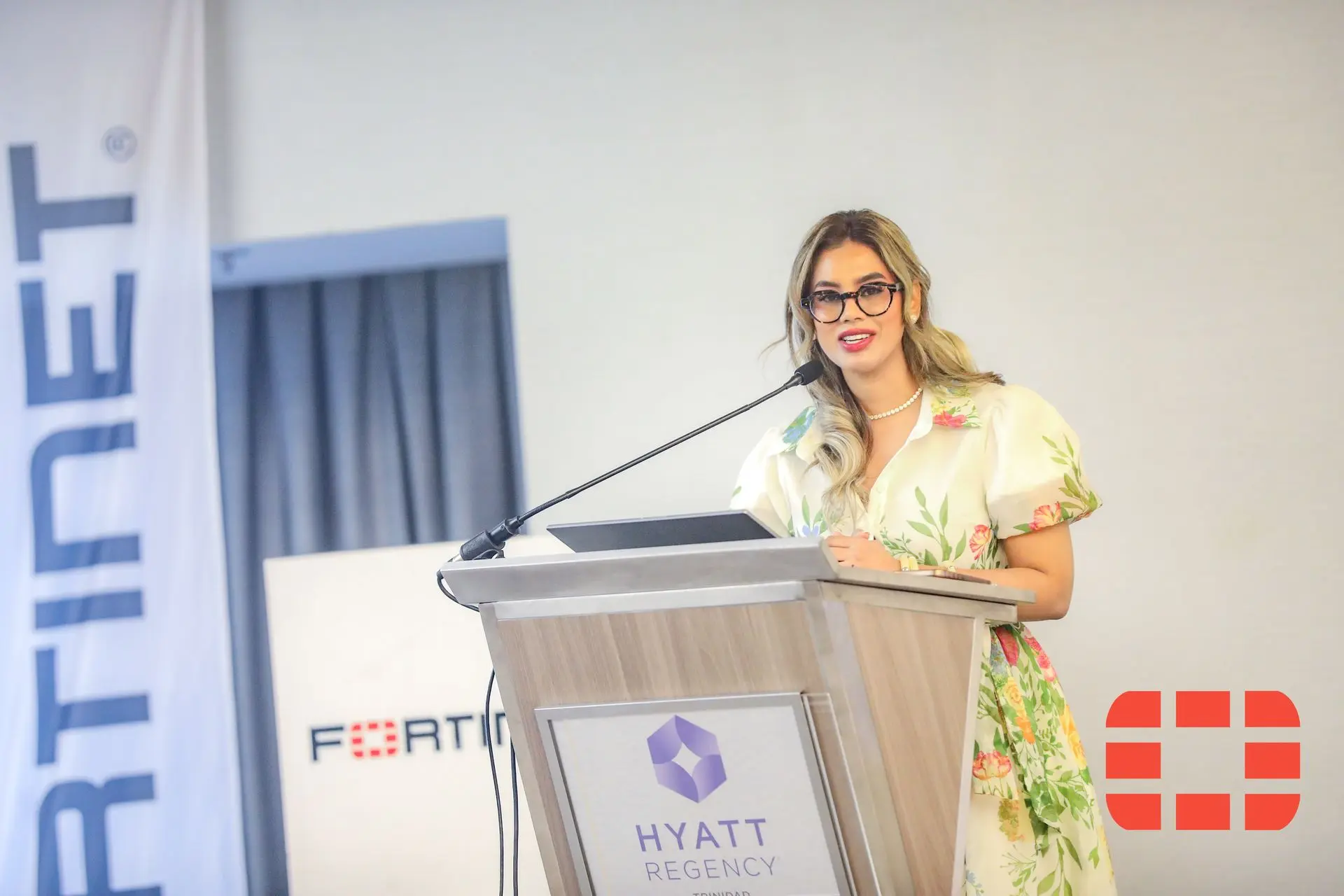
By Samantha Deoraj

As organisations embrace artificial intelligence (AI), cloud computing, connected infrastructure, industrial automation and digital transformation, they are dramatically expanding their digital footprint and with it, their exposure to cyber risk. The reality is that no organisation, regardless of size or industry, can guarantee complete protection from cyber threats.
The conversation has therefore shifted. The most important question is no longer "How do we prevent every attack?" but rather, "Can we sustain business operations when an attack inevitably occurs?" This evolving perspective is redefining cybersecurity strategy around the concept of cyber resilience the ability to anticipate, withstand, recover from and adapt to adverse cyber events. As highlighted during the Cyber Resilience and Risk Transfer panel at THIS26, organisations that successfully build resilience will gain a significant competitive advantage in the years ahead.
 The Threat Landscape Has Fundamentally
Changed
The Threat Landscape Has Fundamentally
Changed
Threat actors today operate more like businesses than traditional cybercriminals. They are highly organised, well-funded and increasingly leveraging automation and AI to improve the speed, scale and effectiveness of their attacks. The emergence of Ransomware-as-a-Service (RaaS) has significantly lowered the barrier to entry, allowing even relatively unsophisticated threat actors to launch highly damaging campaigns. At the same time, AI is enabling attackers to automate reconnaissance, craft convincing phishing campaigns and adapt their tactics in real time.
What is particularly concerning is not simply the sophistication of modern attacks, but their velocity. FortiGuard Labs, Fortinet’s threat intelligence department, recently reported that the time between the disclosure of a critical vulnerability and its active exploitation has shrunk to 24-48 hours, down from the 4.76 days recorded in 2023.
Organisations are no longer facing isolated incidents. They are facing campaigns capable of moving rapidly across interconnected environments, particularly where information technology (IT) and operational technology (OT) systems converge. In many cases, attackers do not need to compromise an entire organisation, they only need to exploit a single weakness to trigger widespread disruption.
This is why many security leaders now argue that the greatest cyber risk organisations still underestimate is not the breach itself, but the operational disruption that follows. When critical services become unavailable, the business consequences can extend far beyond data loss, impacting revenue, customer trust, regulatory compliance and reputation.
From Protection to Operational Resilience
Historically, cybersecurity programmes measured success through prevention metrics. How many attacks were blocked? How many vulnerabilities were patched? While these metrics remain important, resilience requires a broader perspective. Organisations must assume that breaches will occur and focus equally on detection, containment, response and recovery. The ability to restore critical operations quickly, maintain customer confidence and minimise business disruption has become a defining measure of cybersecurity maturity.
The 2021 Colonial Pipeline ransomware attack provides a powerful example. A single compromised credential ultimately led to the shutdown of critical fuel distribution infrastructure across multiple U.S. states. The incident demonstrated how a relatively small weakness can cascade into widespread operational disruption. For organisations across the Caribbean, particularly those operating in energy, financial services, utilities, healthcare and transportation, the lesson is clear: cyber resilience is no longer an IT initiative. It is a business continuity imperative.
 The Growing
Importance of Operational Technology Security
The Growing
Importance of Operational Technology Security
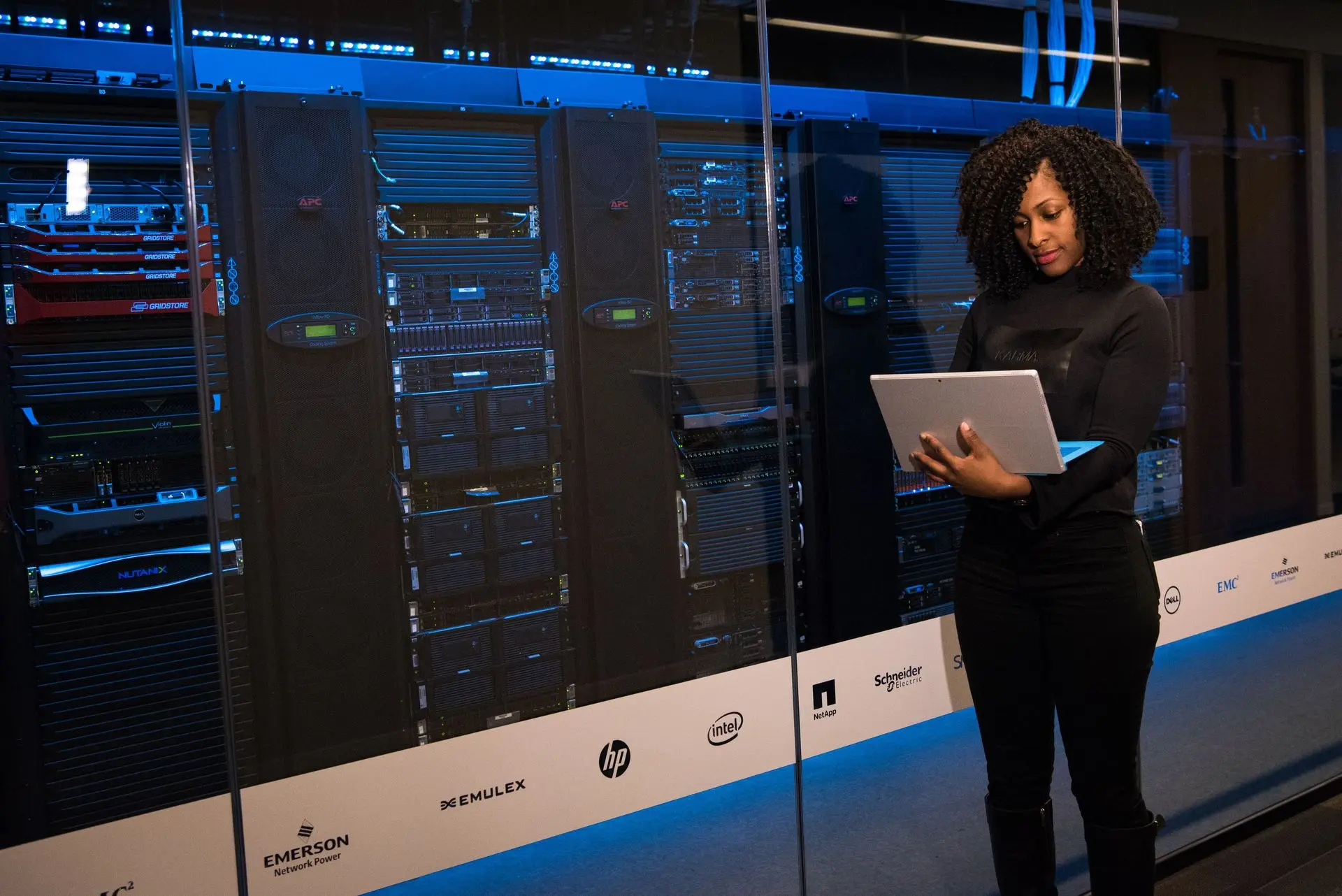
One of the most significant cybersecurity challenges facing enterprises today is the convergence of IT and OT environments. Traditionally, these domains operated independently. IT focused on protecting data confidentiality and integrity, while OT prioritised safety, reliability and operational availability. Today, however, industrial systems are becoming increasingly connected to enterprise networks, cloud services and analytics platforms. This convergence creates tremendous opportunities for innovation, efficiency and real-time decision-making. However, it also expands the attack surface dramatically.
The challenge facing many organisations is that they continue to treat IT and OT as separate security environments. In reality, attackers do not recognise these distinctions. Once inside a network, they exploit whatever pathways are available. An effective resilience strategy requires organisations to secure IT and OT as a unified ecosystem. This begins with achieving comprehensive visibility across all assets, establishing shared governance models and implementing security architecture designed specifically for industrial environments. Network segmentation, zero-trust principles, continuous monitoring and executive-level oversight all play critical roles.
Perhaps most importantly, successful OT security requires organisational alignment. Technology alone cannot solve the problem. IT teams, OT operators, security professionals and executive leadership must work collaboratively to understand risk and prioritise investments that protect operational continuity.
Cyber Insurance Is Raising the Bar
Cyber insurance has undergone a remarkable transformation over the last several years.
What was once viewed primarily as a financial safety net has evolved into a powerful indicator of cyber maturity. Today, insurers are increasingly evaluating an organisation's security posture before issuing coverage, effectively acting as an independent assessor of cyber risk.
As a result, many cybersecurity controls once considered recommended have become essential. Multi-factor authentication (MFA) is now widely viewed as mandatory, particularly for remote access, email systems and privileged accounts. Organisations are also expected to implement privileged access management, least-privilege policies, identity governance frameworks and strong lifecycle management practices. Identity has become the new perimeter, making credential security one of the most important pillars of resilience.
Insurers are also placing greater emphasis on advanced endpoint detection and response capabilities, email security controls, backup and recovery processes, vulnerability management programmes and network segmentation. Equally important is the ability to demonstrate tested incident response procedures and recovery capabilities.
The message from the insurance industry is becoming increasingly clear: organisations must prove they can prevent, detect, respond to and recover from cyber incidents. Coverage is no longer simply purchased; it is earned through demonstrable maturity.
In this context, cyber insurance is not merely a checkbox. It has become a byproduct of doing cybersecurity well.
 The One Capability
Every Organisation Needs
The One Capability
Every Organisation Needs
If there is one capability organisations should prioritise over the next two years, it is rapid detection and response supported by a mature incident response programme. Cyber resilience is increasingly defined by how quickly threats can be detected, contained and eliminated before they evolve into business-wide disruptions. This requires more than technology. It demands the integration of people, processes and platforms into a coordinated response capability.
Organisations should focus on three key areas:
First, establishing real-time visibility across their digital estate, including endpoints, cloud workloads, networks and operational systems. Second, implementing orchestrated response capabilities that can automate containment activities and reduce the time required to respond to emerging threats. Third, regularly testing resilience through incident simulations, tabletop exercises and recovery drills involving executive leadership and business stakeholders.
A plan that sits on a shelf is not resilience. Resilience is proven through practice, validation and measurable results under pressure.
The experience of global shipping giant Maersk illustrates this principle well. Following the devastating NotPetya cyberattack in 2017, the company's ability to rebuild and restore operations demonstrated the importance of visibility, coordinated response and recovery planning. The attack was severe, but resilience enabled recovery.
What Boards Should Be Asking
As cyber threats continue to evolve, boards and executive teams must change the questions they ask. Instead of asking whether the organisation is secure, they should ask for evidence of resilience.
· Can critical operations be restored quickly after an attack?
· How often are response plans tested? Are backups regularly validated?
· Does leadership participate in crisis simulations?
· Are independent assessments being conducted to evaluate readiness?
The organisations that can confidently answer these questions will be best positioned to navigate an increasingly uncertain threat landscape.
Cyber resilience is no longer a technical discussion confined to security teams. It is a strategic business capability that influences operational stability, customer trust, regulatory compliance and competitive differentiation.
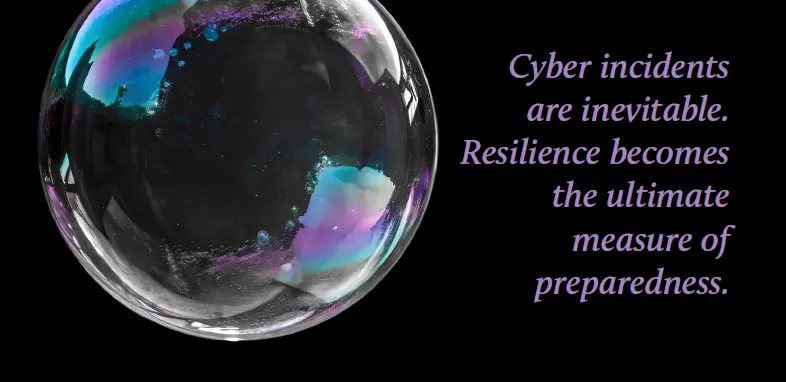
In a world where cyber incidents are inevitable, resilience becomes the ultimate measure of preparedness. The future belongs not to the organisations that avoid every attack, but to those that can continue operating, serving customers and growing confidently when adversity strikes. That is the new standard of cybersecurity success.